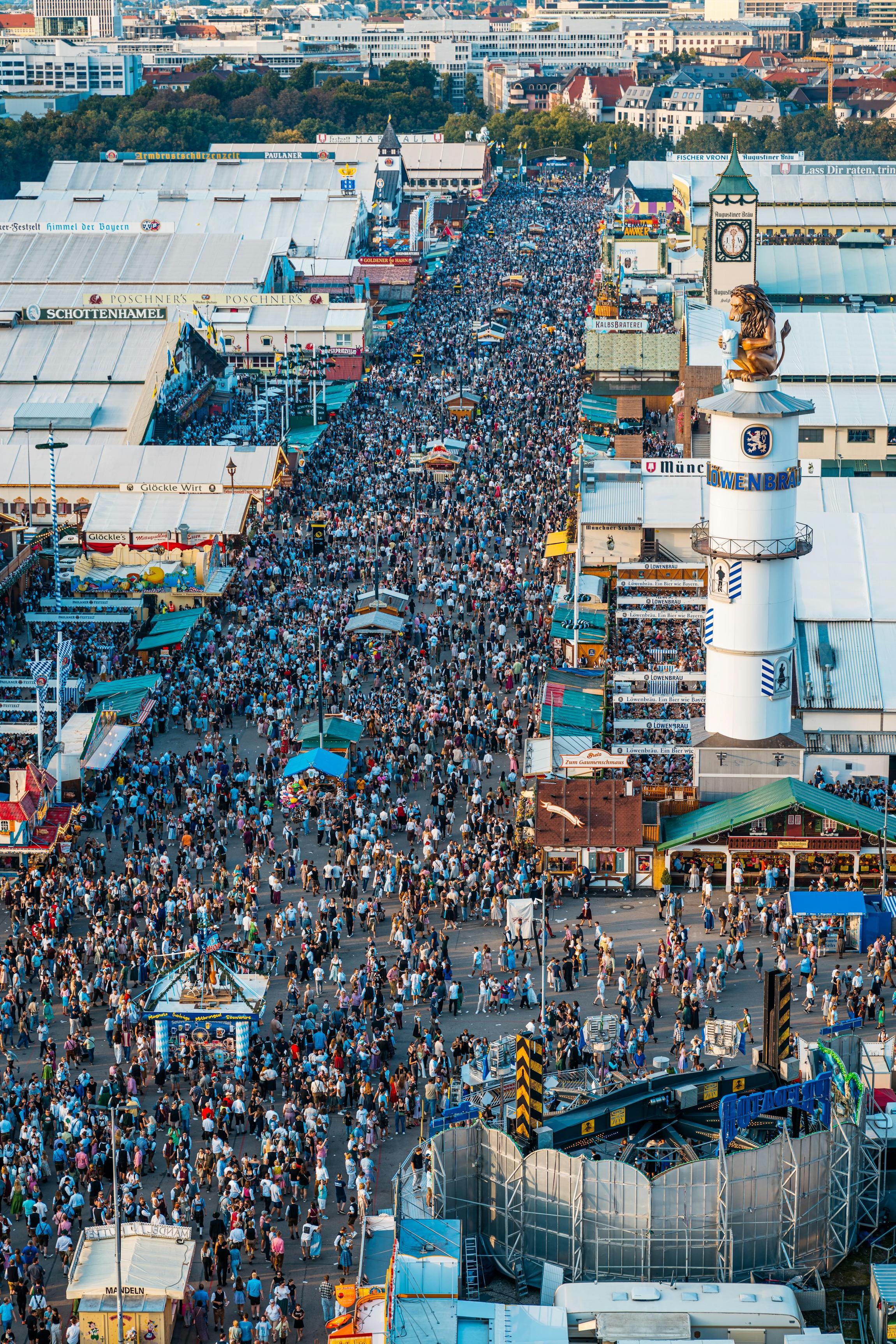
The whole world knows the name, but few know the true story behind it. Oktoberfest was born on October 12, 1810, not around a beer stein, but around a horse race. Crown Prince Ludwig of Bavaria celebrated his wedding to Princess Therese of Saxe-Hildburghausen in front of the gates of Munich. The event was so popular that the Munich residents decided to repeat it the following year — and every year since then. Beer, initially a minor detail, gradually took over to become the soul of the festival.
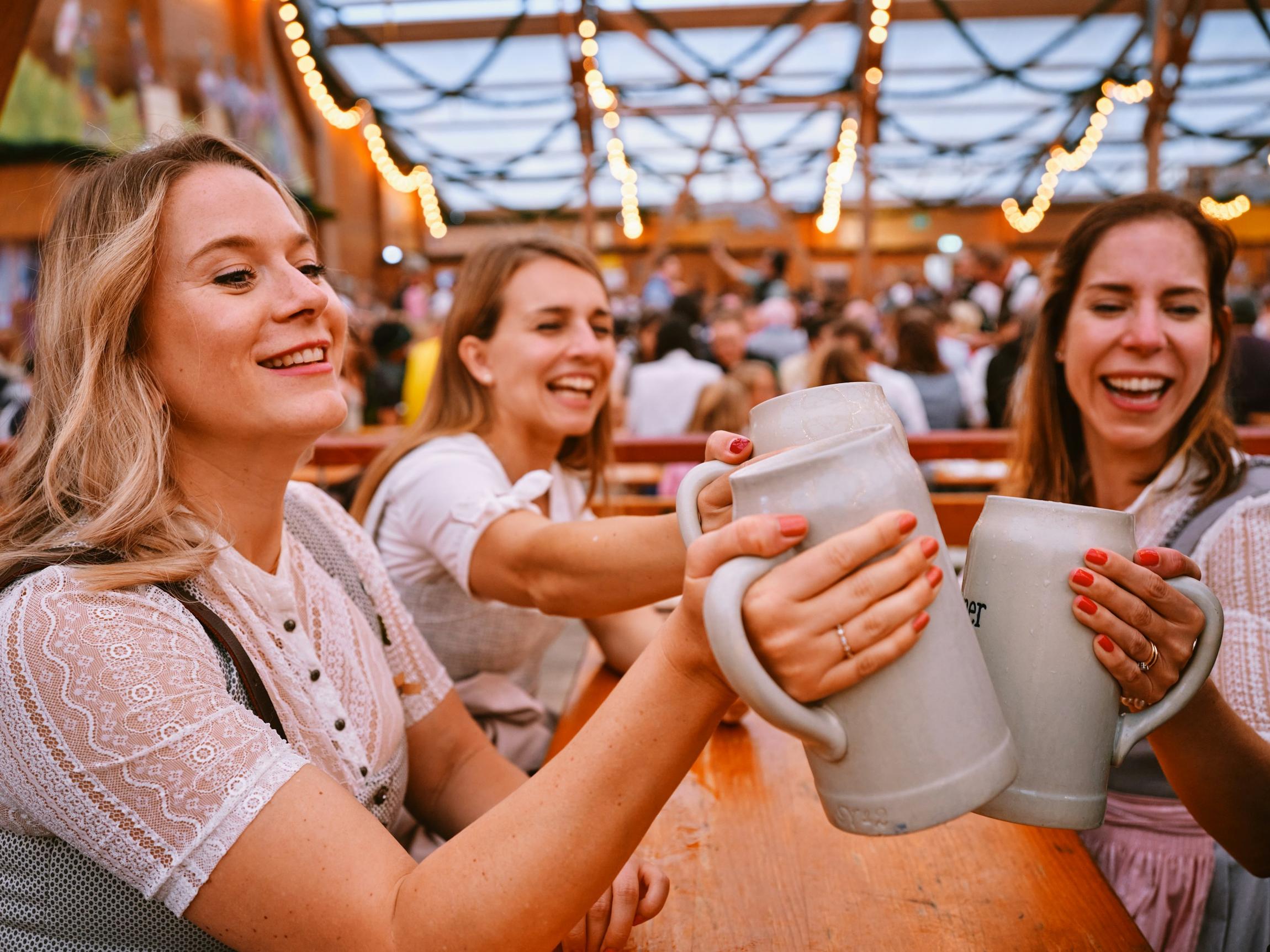
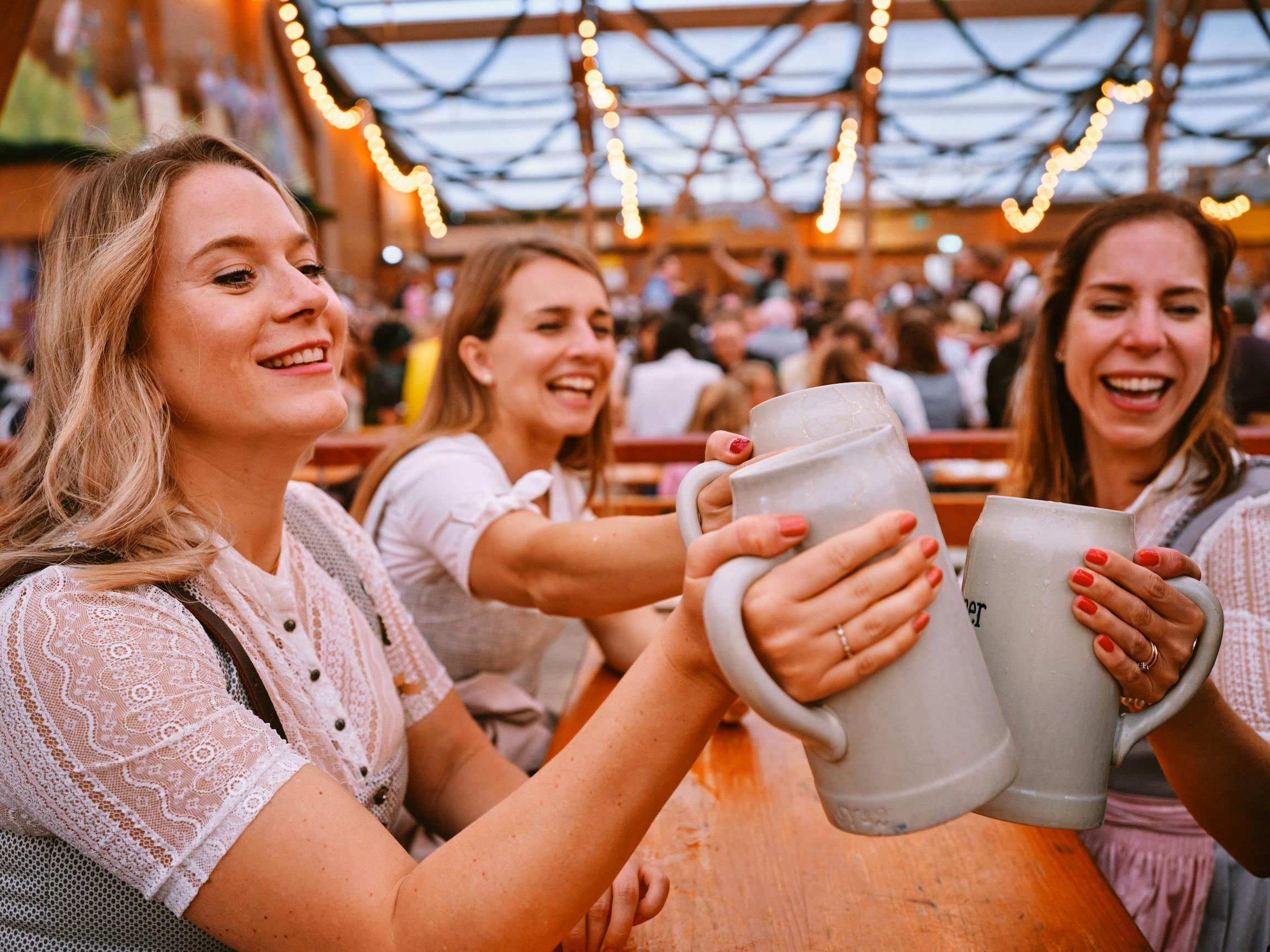
Today, Oktoberfest is held annually on the Theresienwiese for 16 to 18 days, from mid-September to early October, deliberately scheduled to enjoy still mild weather. Only six major Munich breweries are permitted to serve beer: Augustiner, Hofbräu, Hacker-Pschorr, Paulaner, Spaten, and Löwenbräu. The iconic beer, the Märzenbier, is amber, lightly malted, with an alcohol content between 5.8% and 6.3%, featuring a gentle, rounded bitterness. About 7.5 million liters are consumed in two weeks. The economic impact, meanwhile, is staggering: in 2025, the event set a new record with 7.4 million visitors over 16 days, generating nearly 1.25 billion euros in direct and indirect benefits for Munich and its region.
Oktoberfest Comes to Your Local Pubs
The true secret of Oktoberfest is its ability to travel. For years, the major Munich breweries — Paulaner leading with its global program Oktoberfest Around the World, but also Hofbräu and Augustiner — sponsor events in hundreds of bars, cafes, and pubs across Europe. In Strasbourg, a permanent Bavarian brewery keeps the tradition alive year-round. In London, Bavarian Beerhouse deploys dirndls and oompah bands from mid-September. In Le Havre, Brussels, Amsterdam, Prague, or Madrid, neighborhood establishments transform into Munich outposts for a weekend, with Märzen barrels in hand. For thousands of Europeans, it’s at their favorite café counter that they first discover this very special style of beer — and the desire to travel to Munich.
While preparing your trip to Oktoberfest 2027, know that the European brewing calendar doesn’t rest. Craft beer festivals, brewery open days, city Beer Trips, regional routes… our beBeer calendar lists events throughout the year so every season is a good season for beer tourism.